Barceloneta
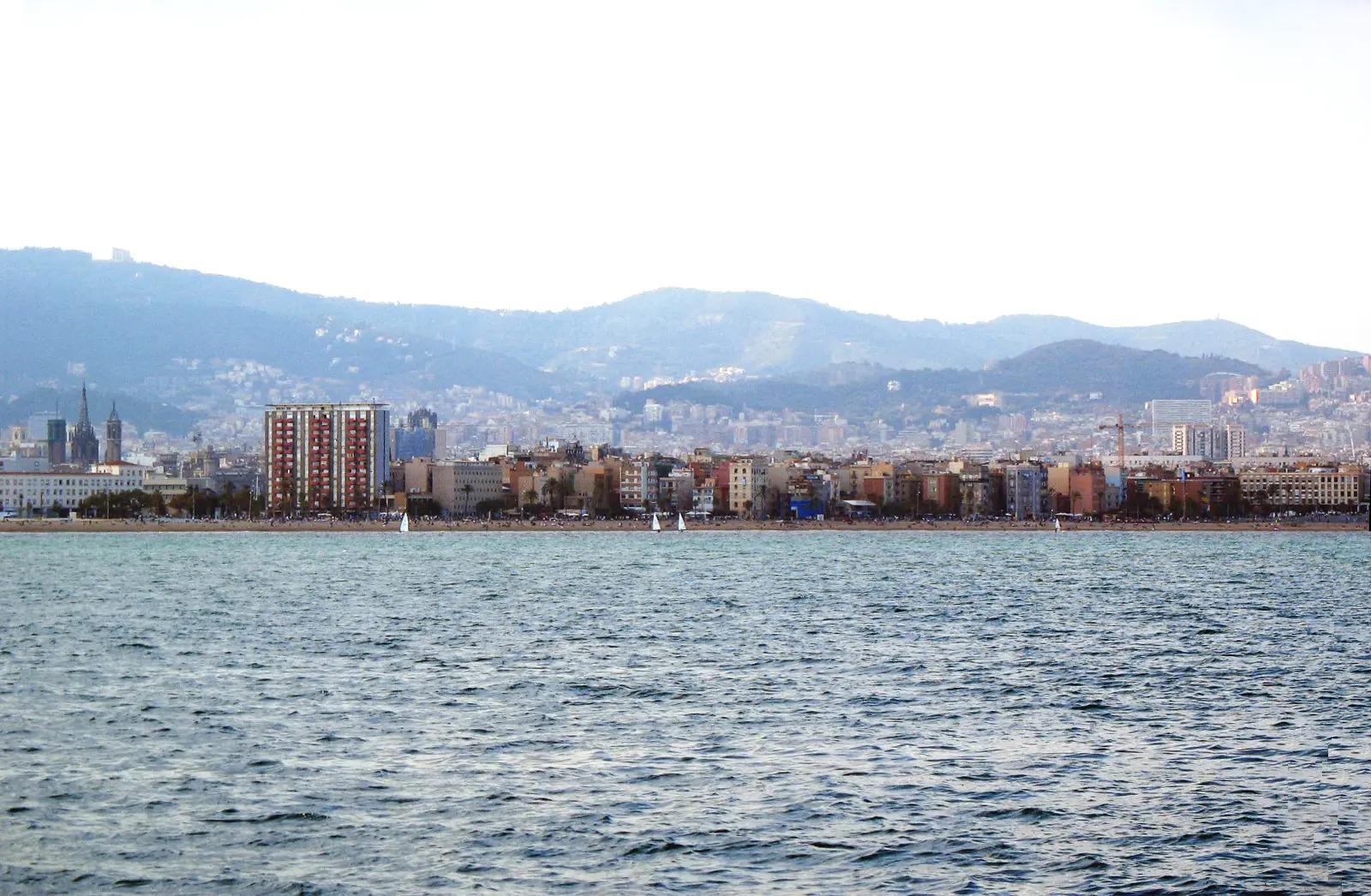
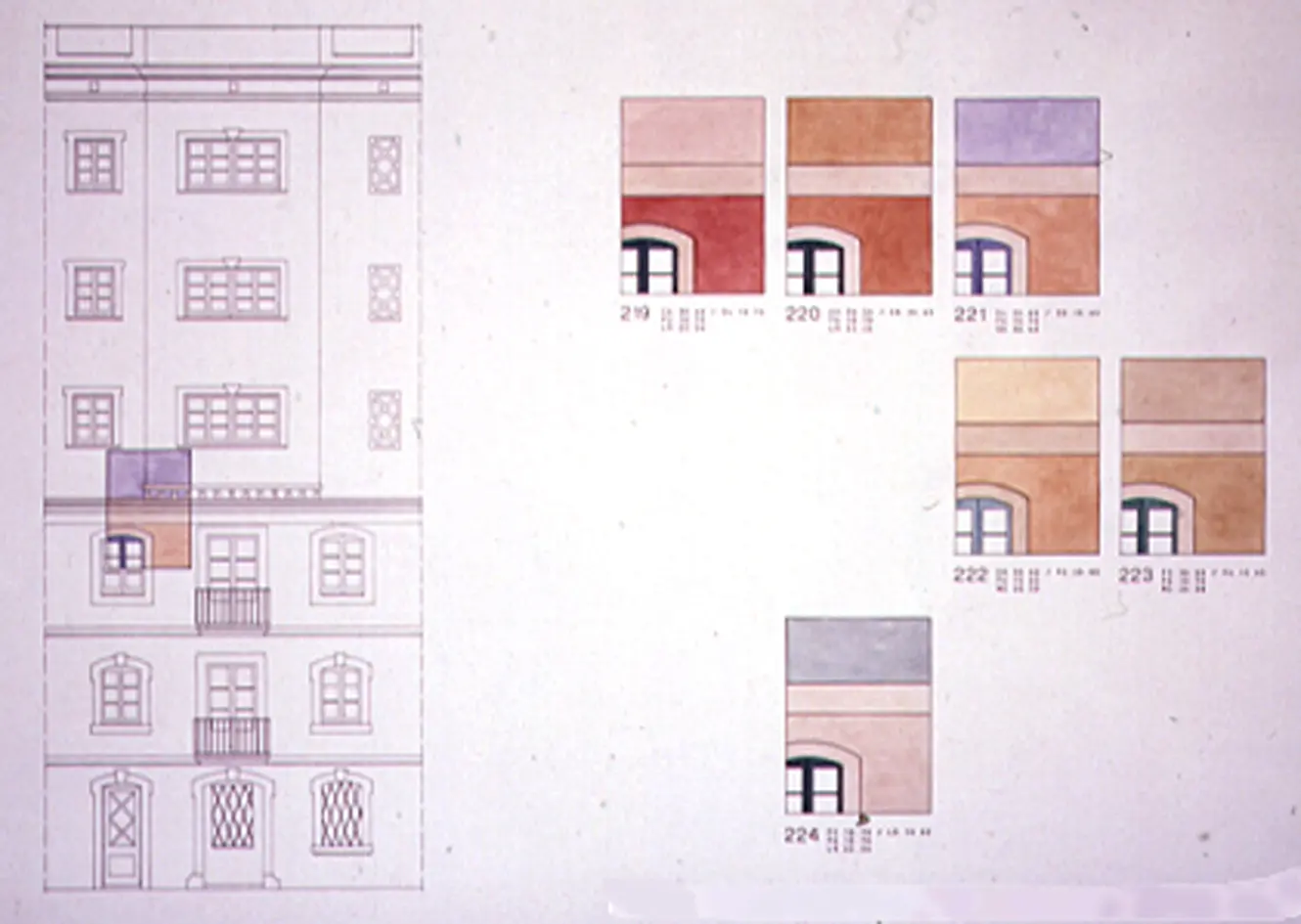
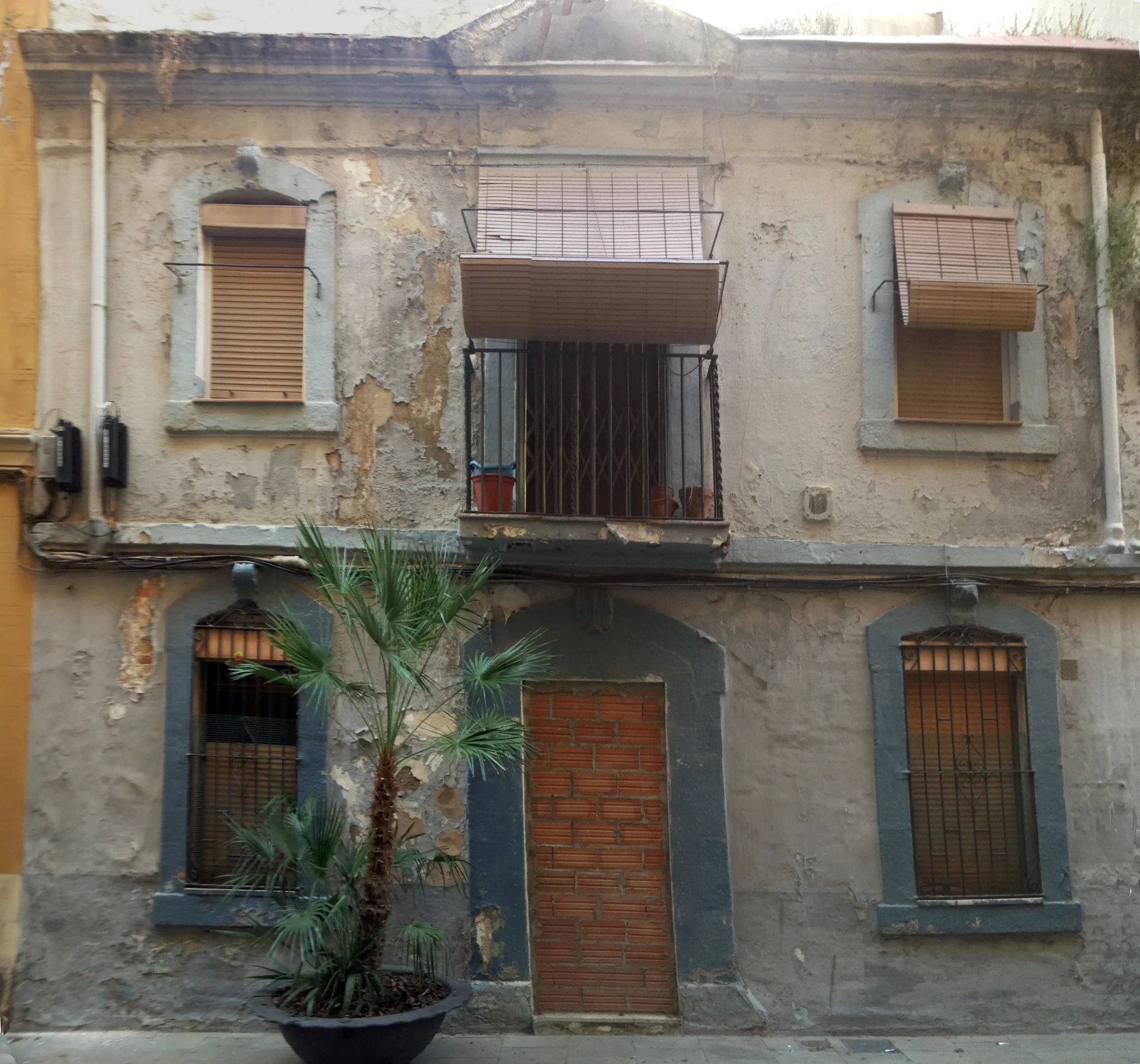
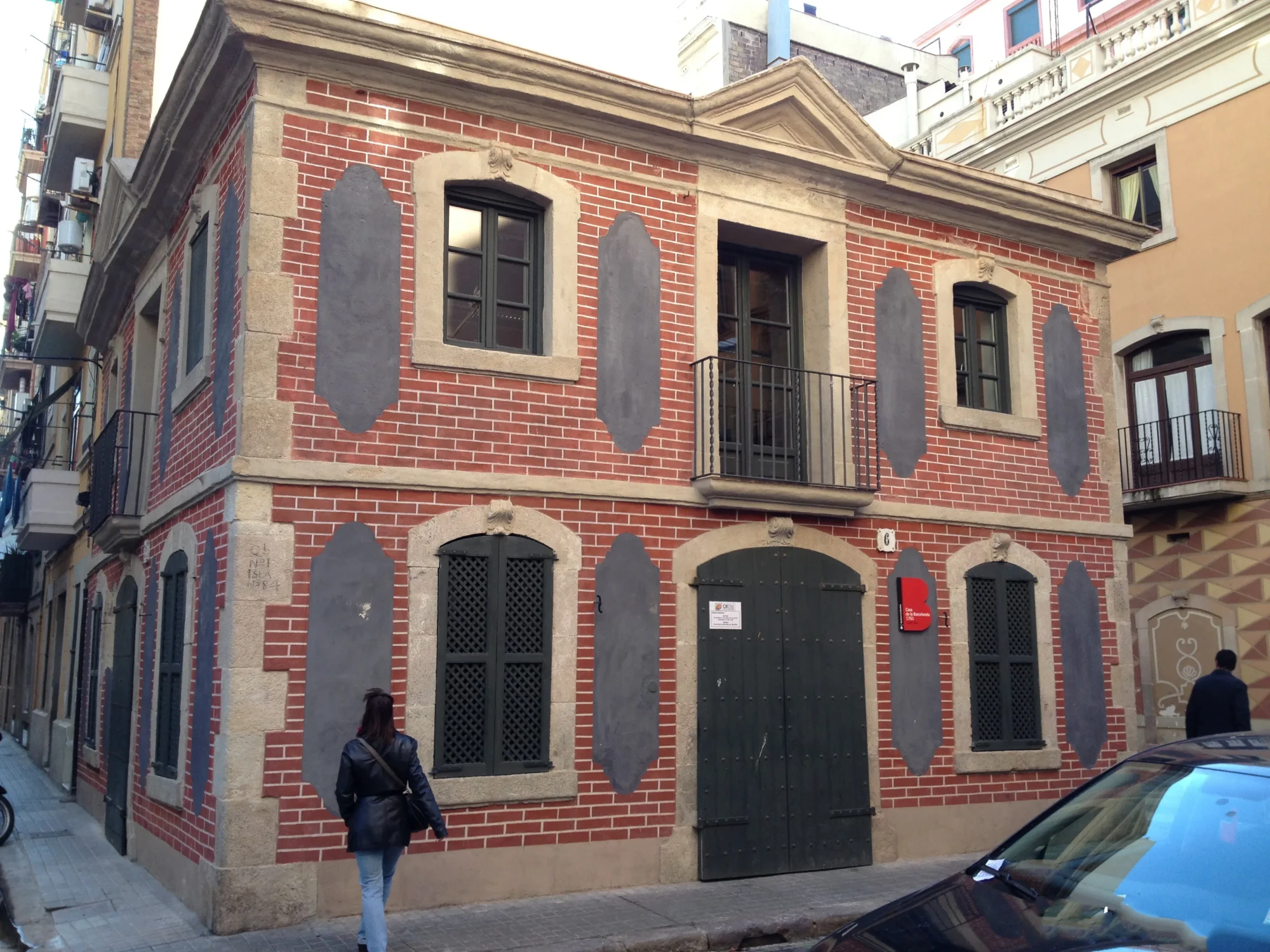
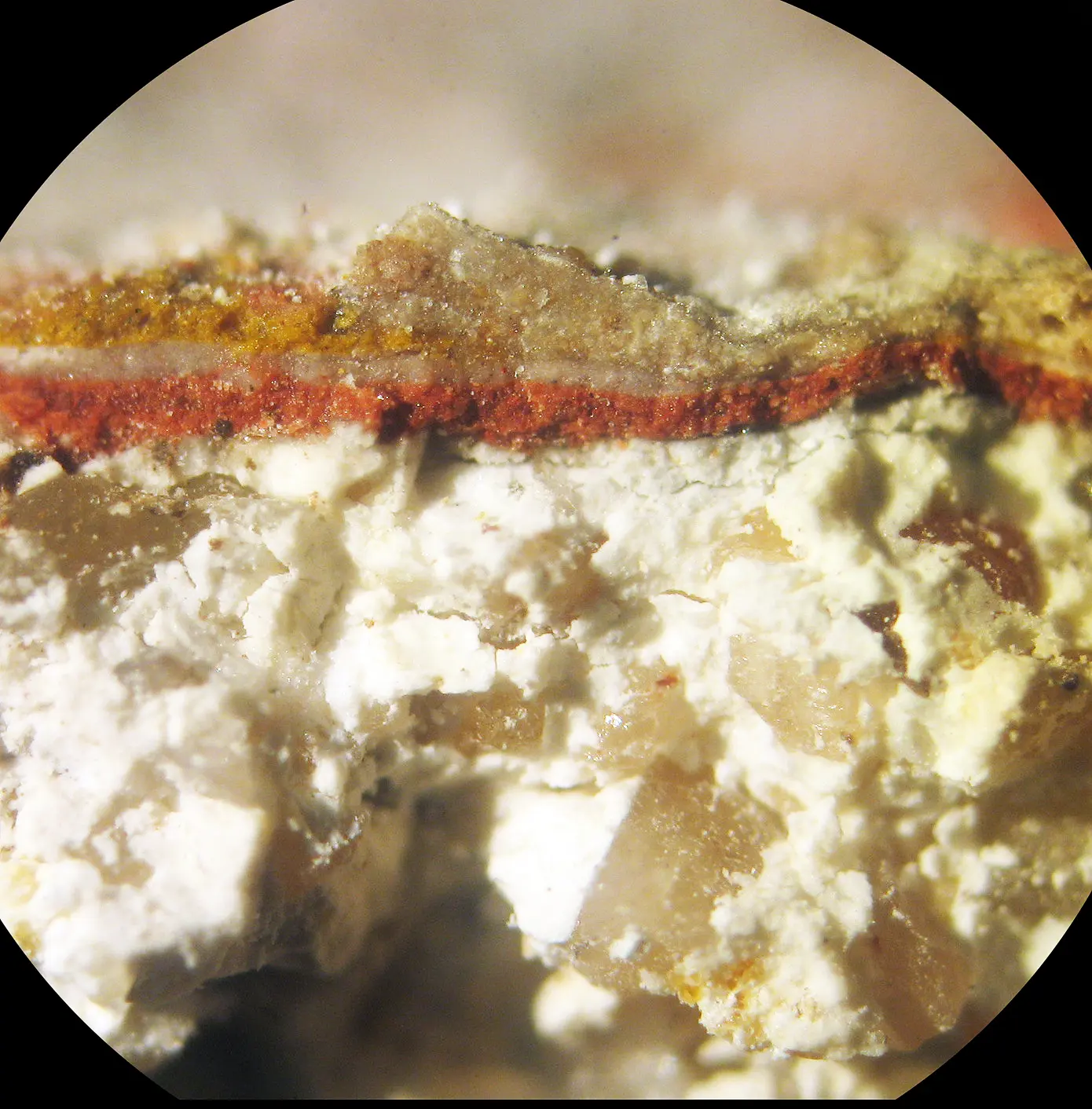
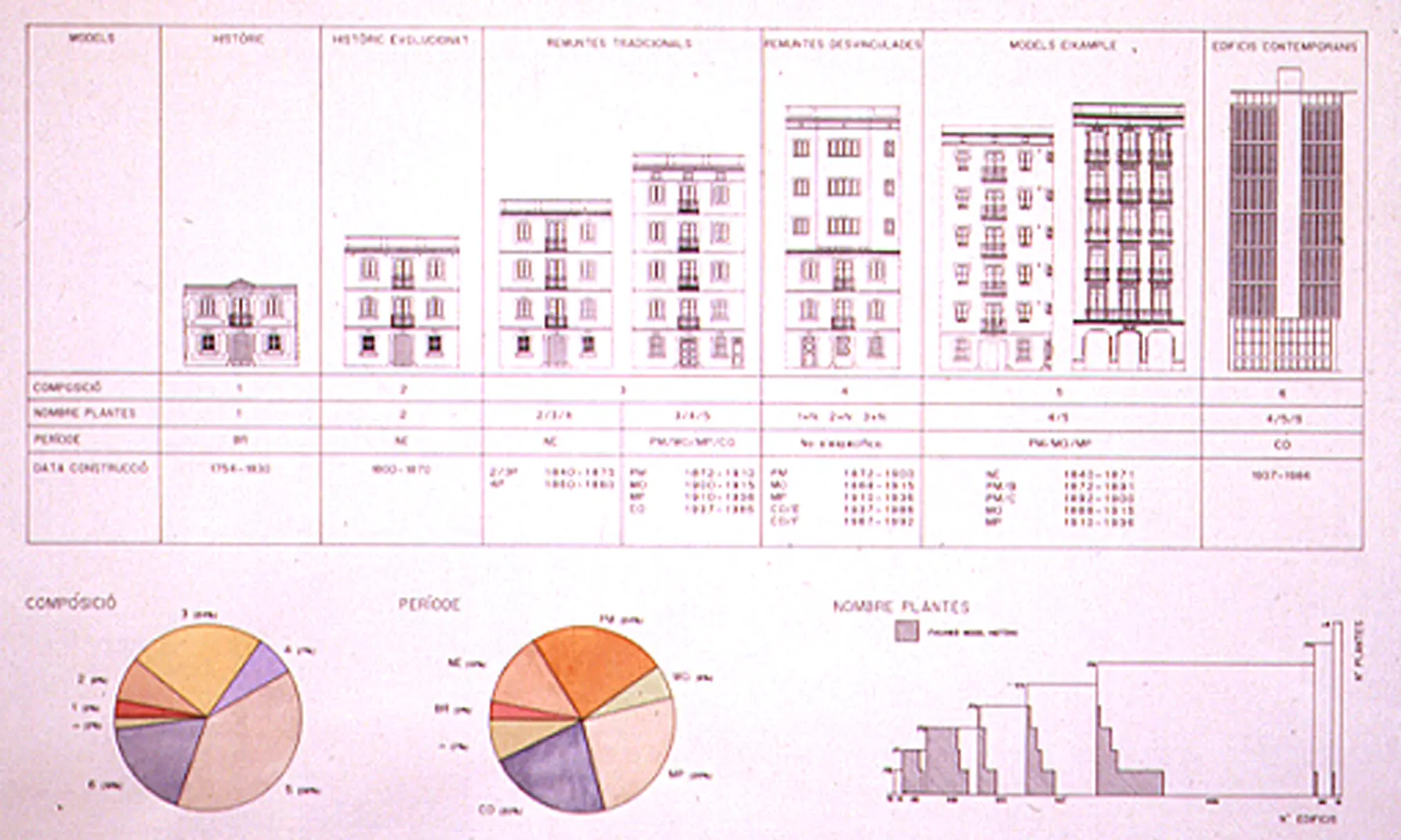
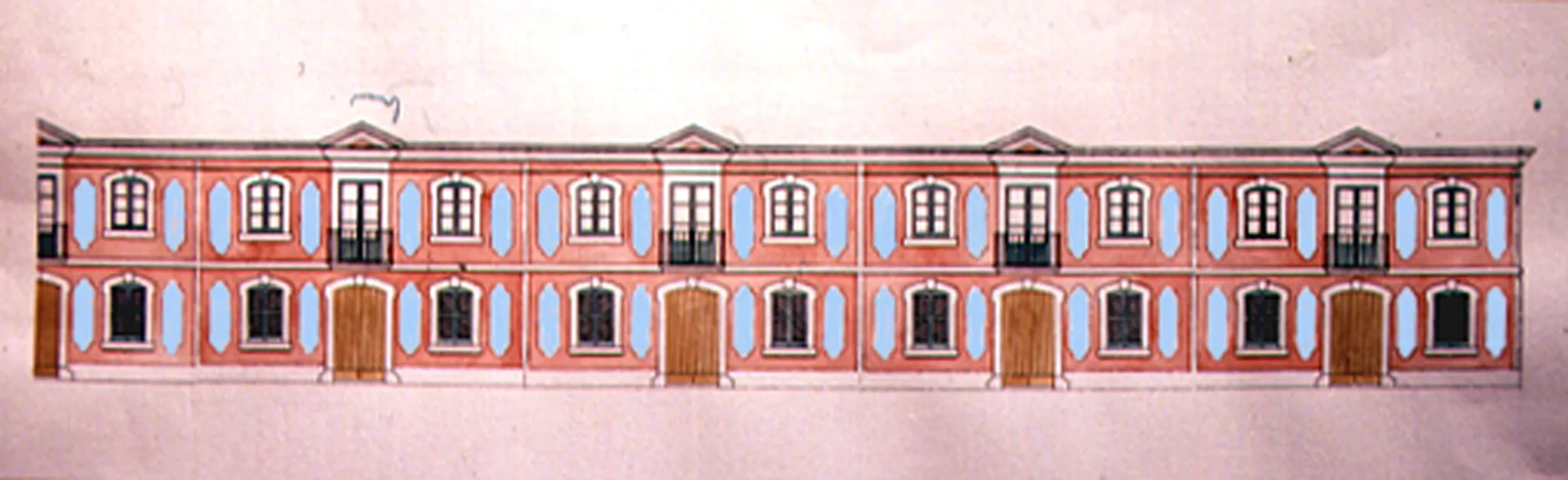
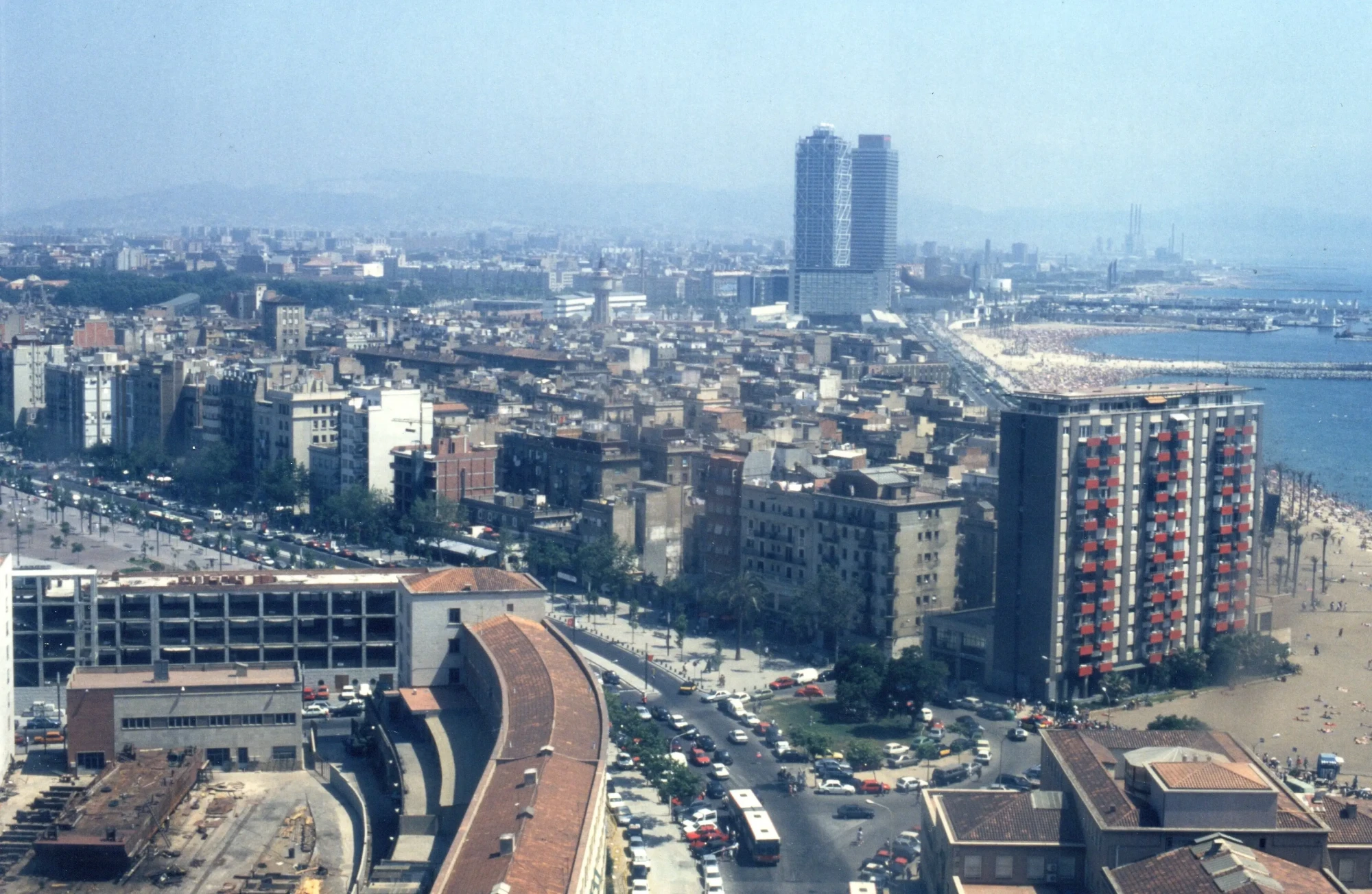
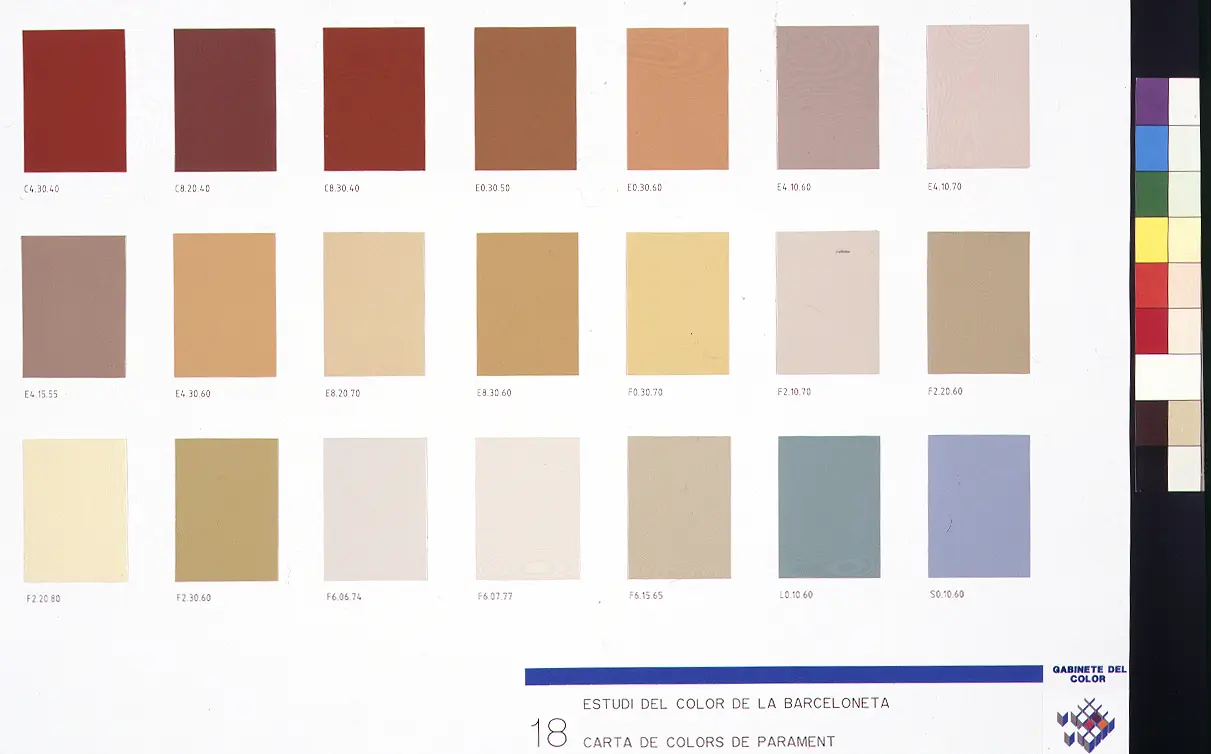
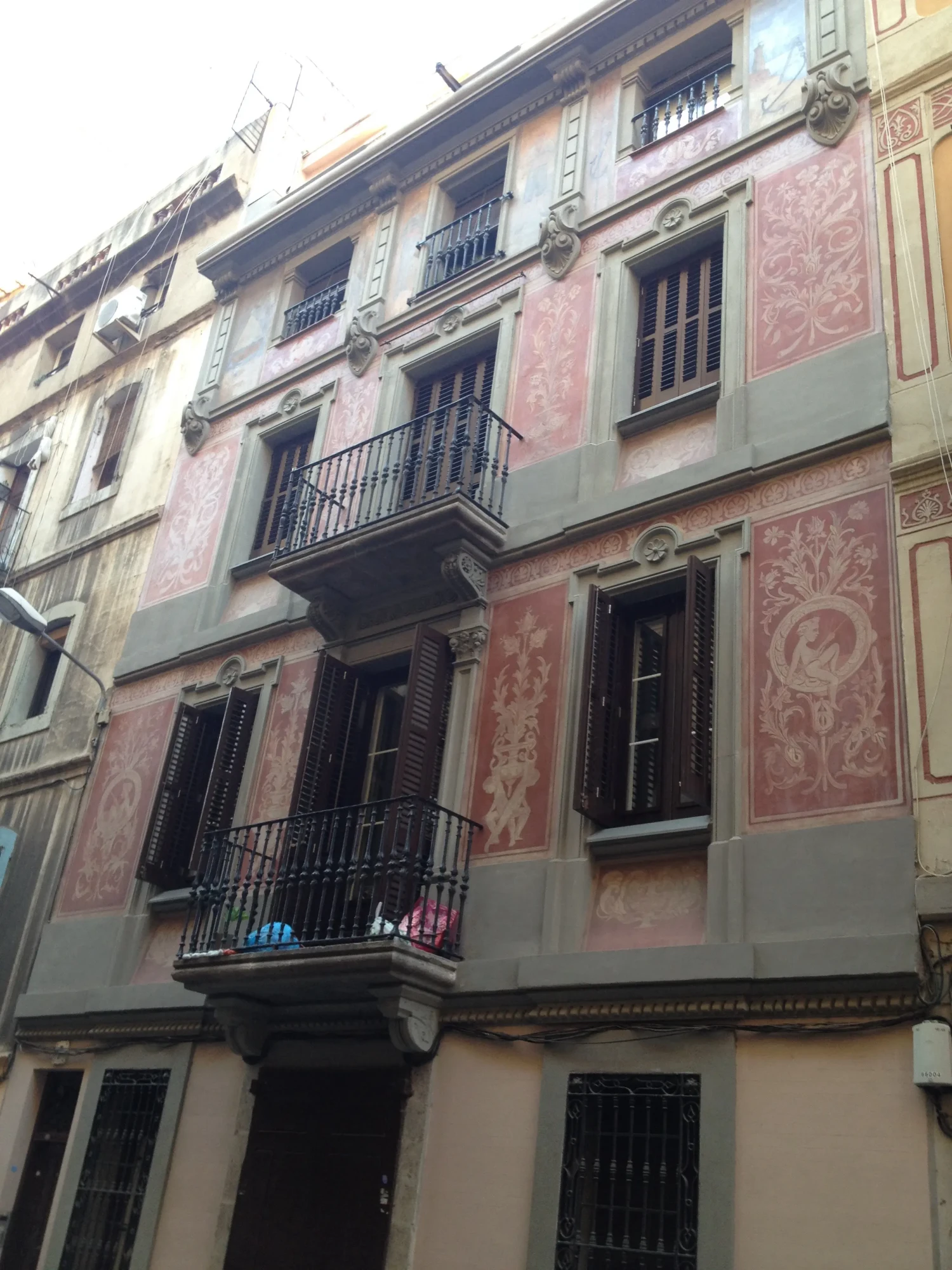
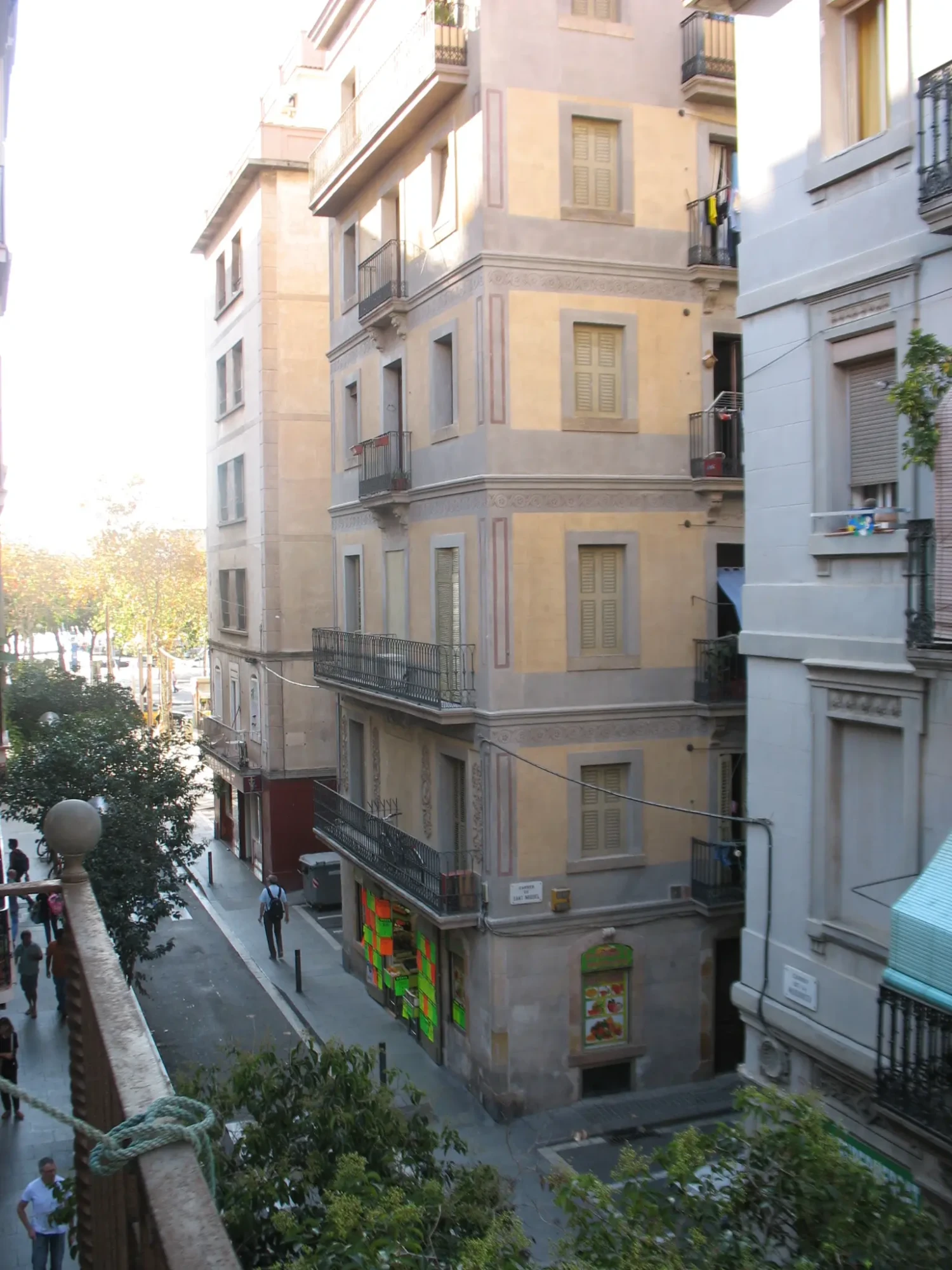
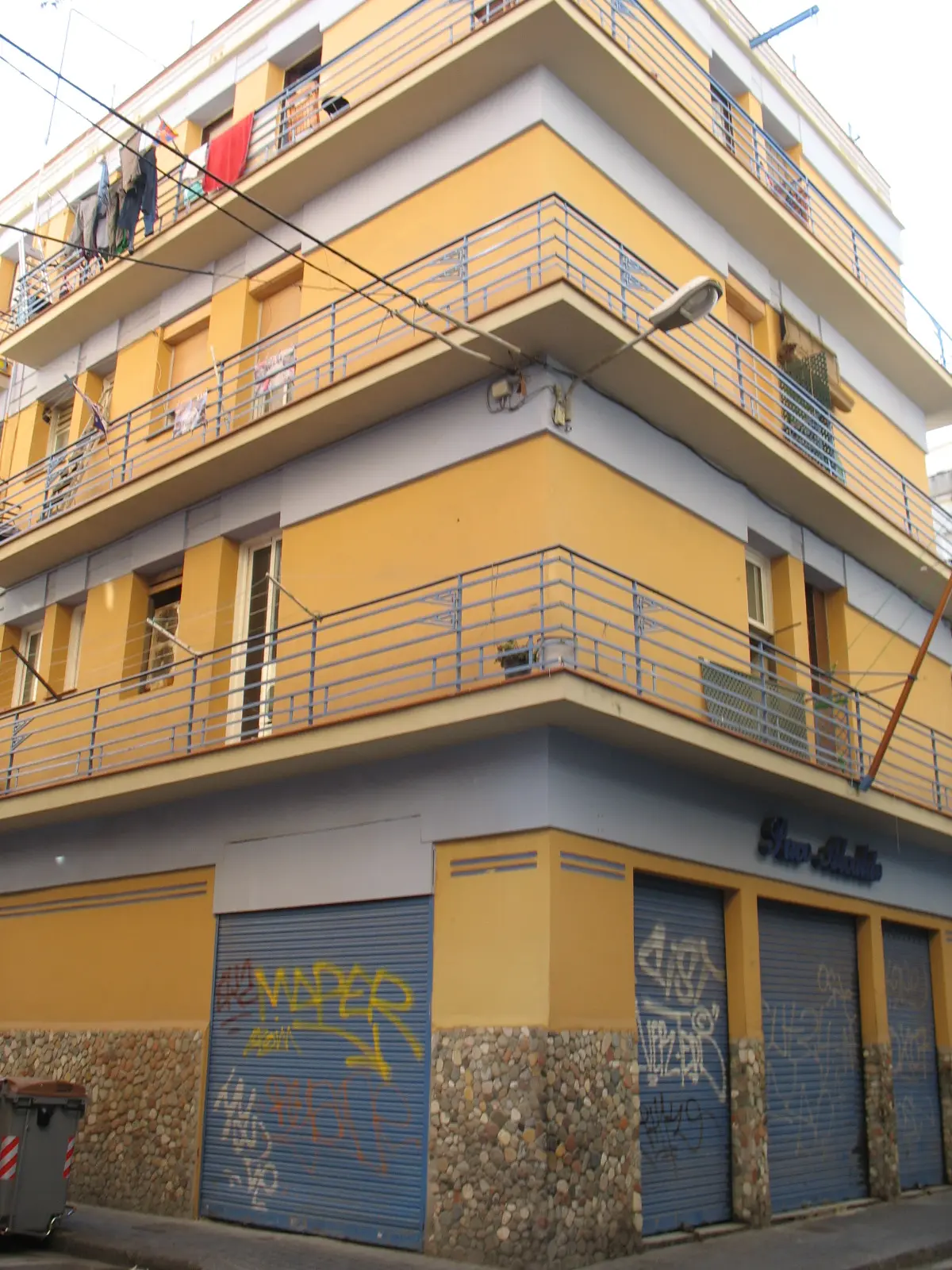
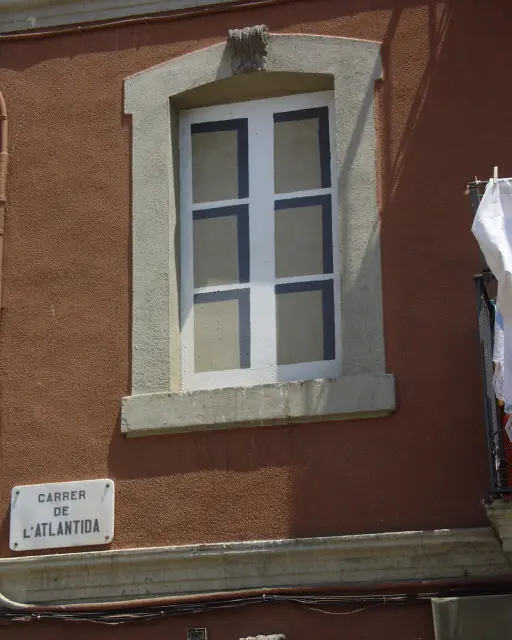
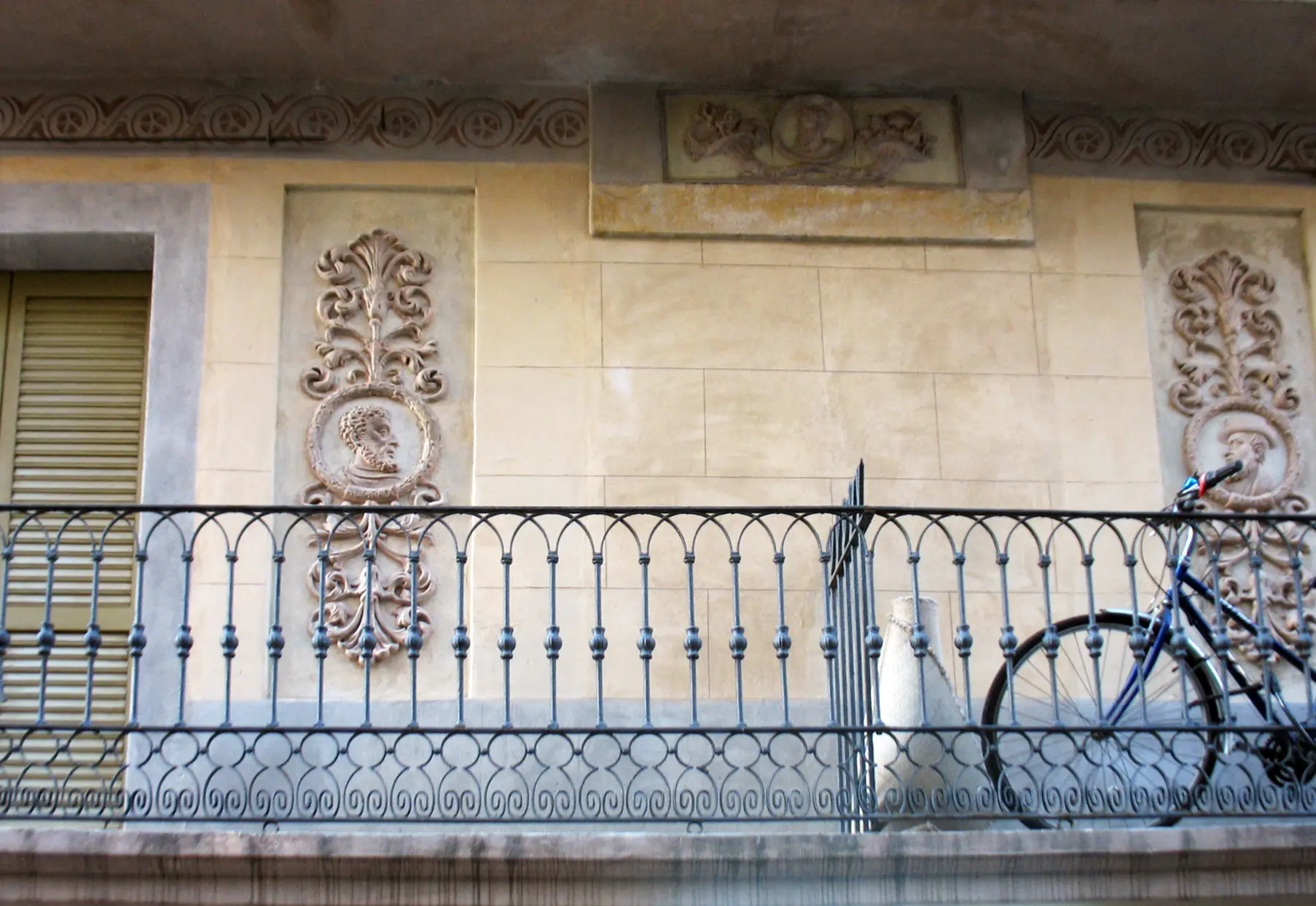
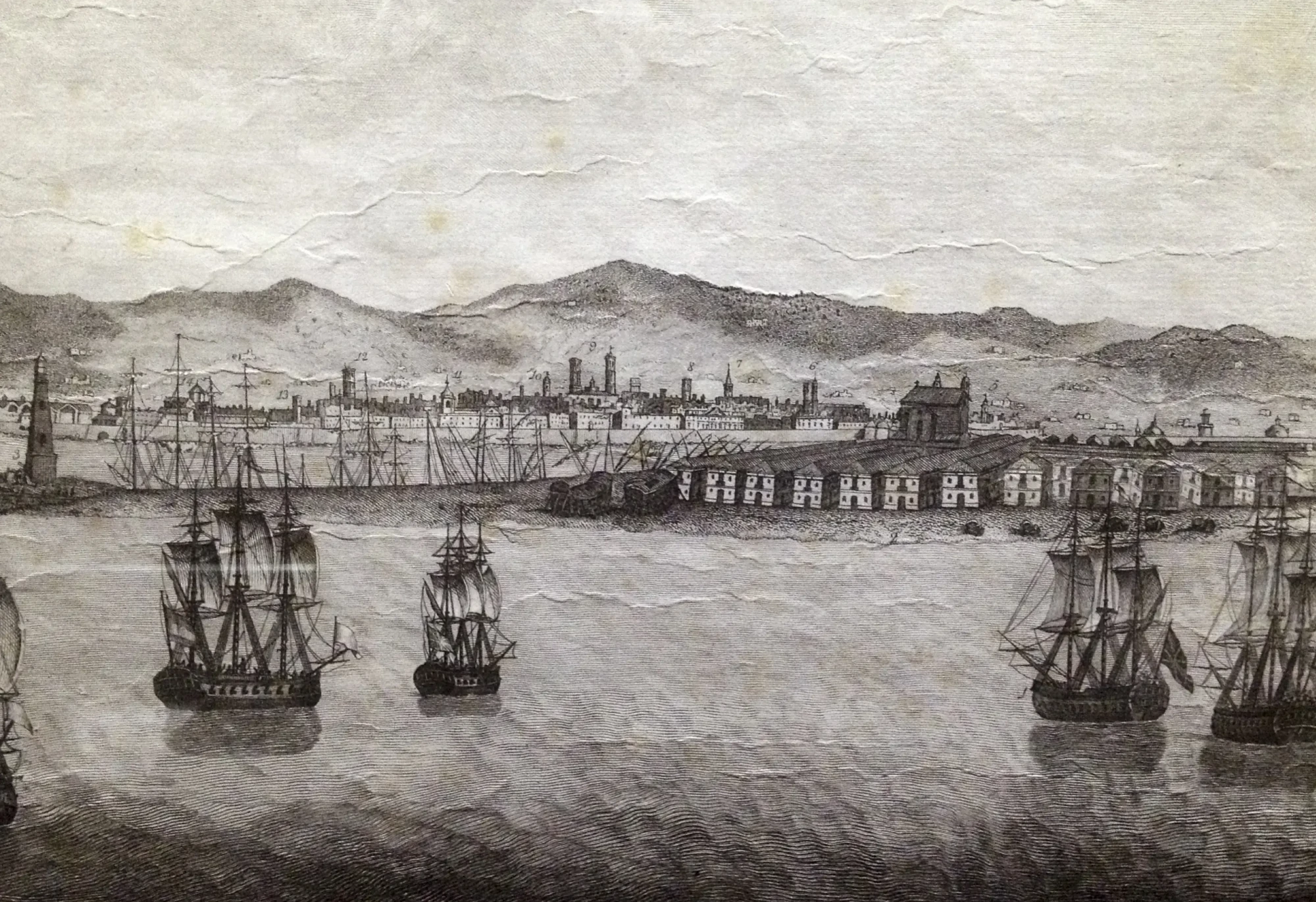
The Barceloneta Color Plan was commissioned by the municipality in 1993 to complement the seaman neighborhood’s Urban Renewal Special Plan (P.E.R.I.). It documents and enhances a highly distinctive architectural and chromatic stratification. The urban quarter plan origins to the 1753 project of military engineer J.M. Cermeño, who established a grid layout and a single housing model consisting of a ground floor and one upper storey, replacing the barracks that had begun to occupy the area after the events of 1714. Over time, additional floors were added and dwellings were subdivided, with the fishermen themselves modified the finishes and colors of their own facades. We studied the evolution of the buildings from their origins to the present day, completing a survey of nearly 1,000 buildings throughout the neighborhood. We discovered that, originally, there were around 400 façades featuring a repetitive painted stucco finish imitating exposed red brickwork, with blue panels between openings, in keeping with the Bourbon style that prevailed in the capital at the time. Rather than limiting ourselves to the historical model, we produced a series of illustrating sheets showing the neighbourhood’s evolution, from eclecticism through to contemporary development.
Each elevation composition presents its most common chromatic patterns and includes proposals intended to enhance the arbitrariness of what emerged through chance. The main aim was to bring harmony to a neighborhood that has managed to preserve its character despite the many urban development and tourism pressures it has faced.