Sevilla
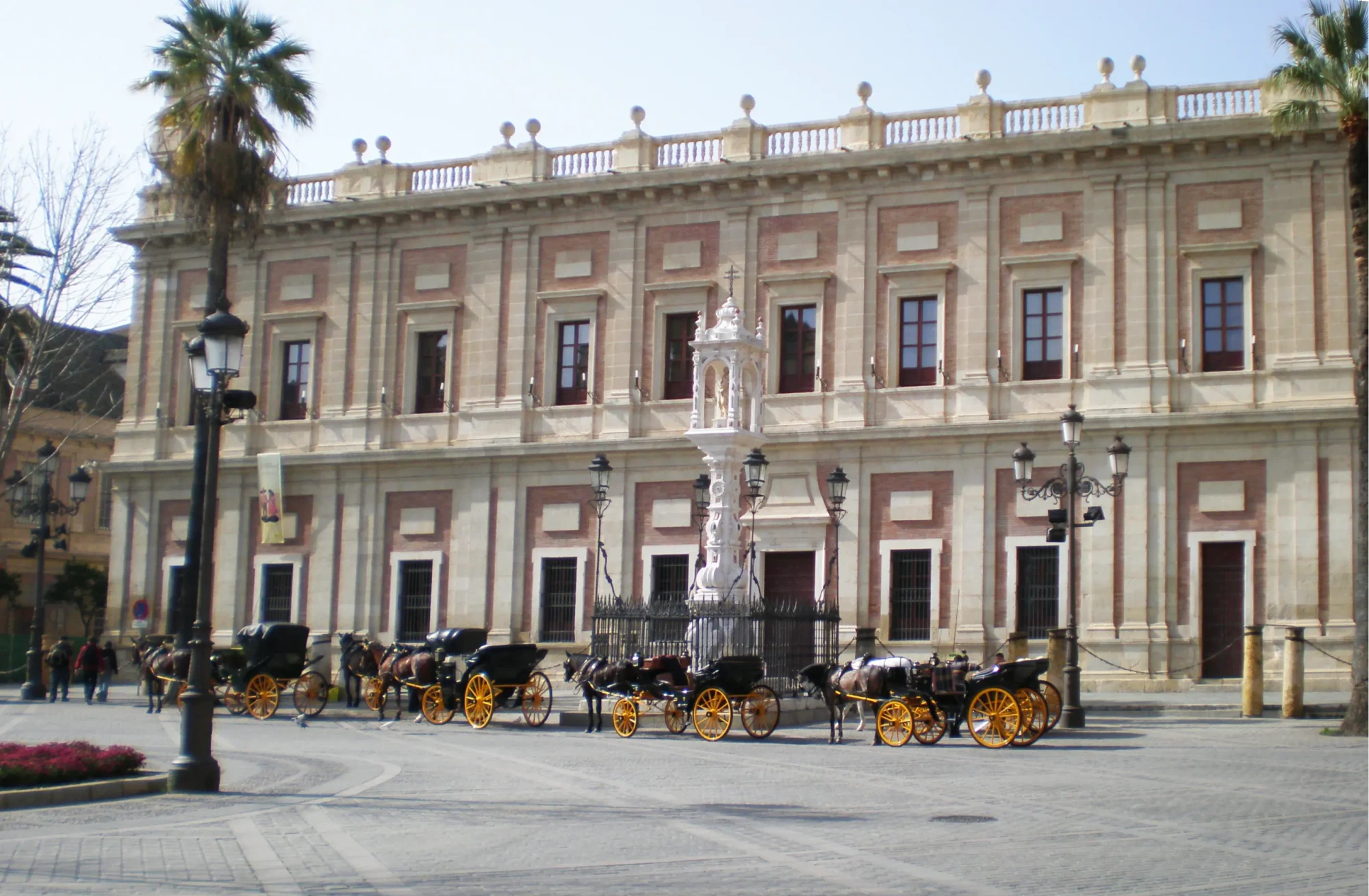
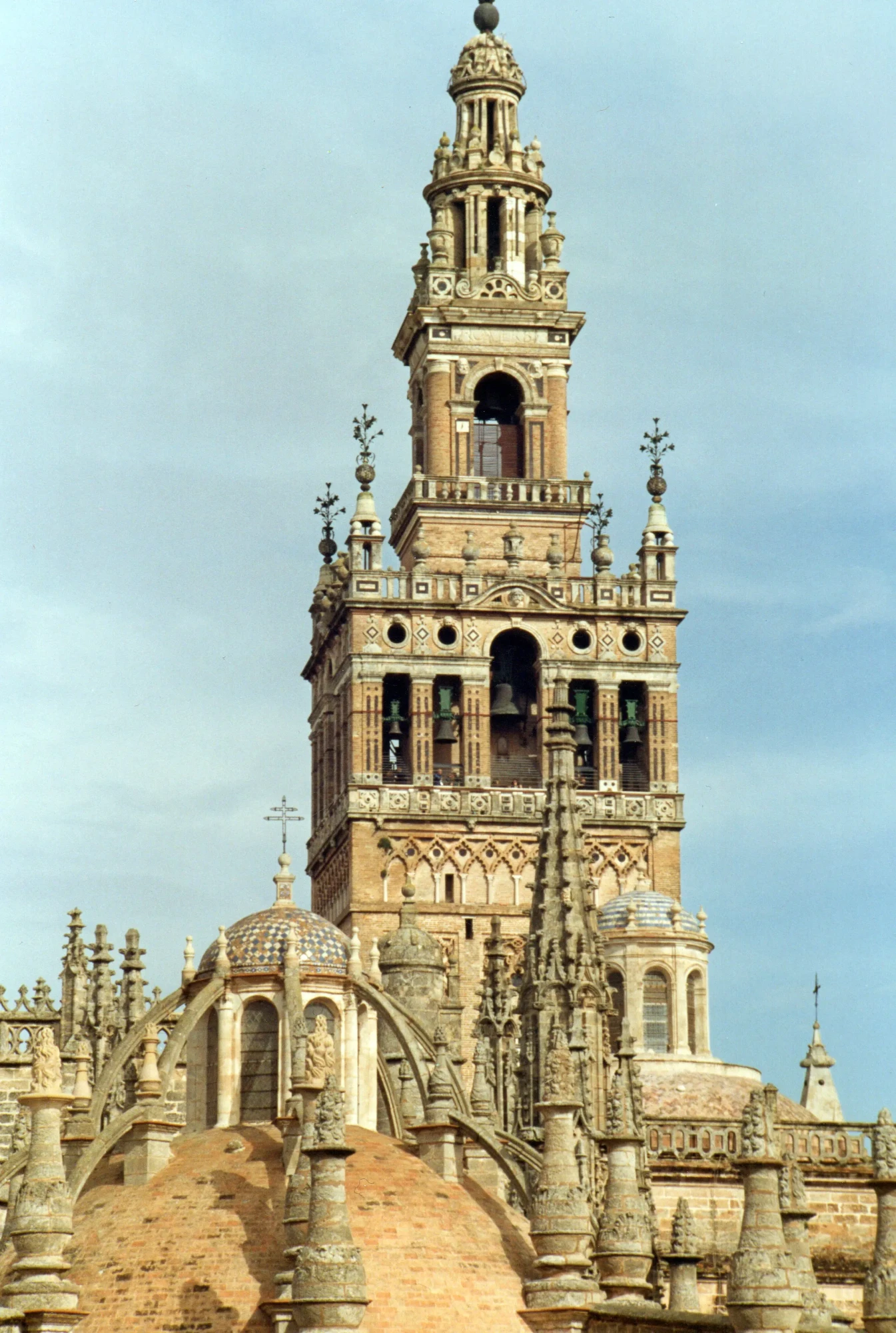
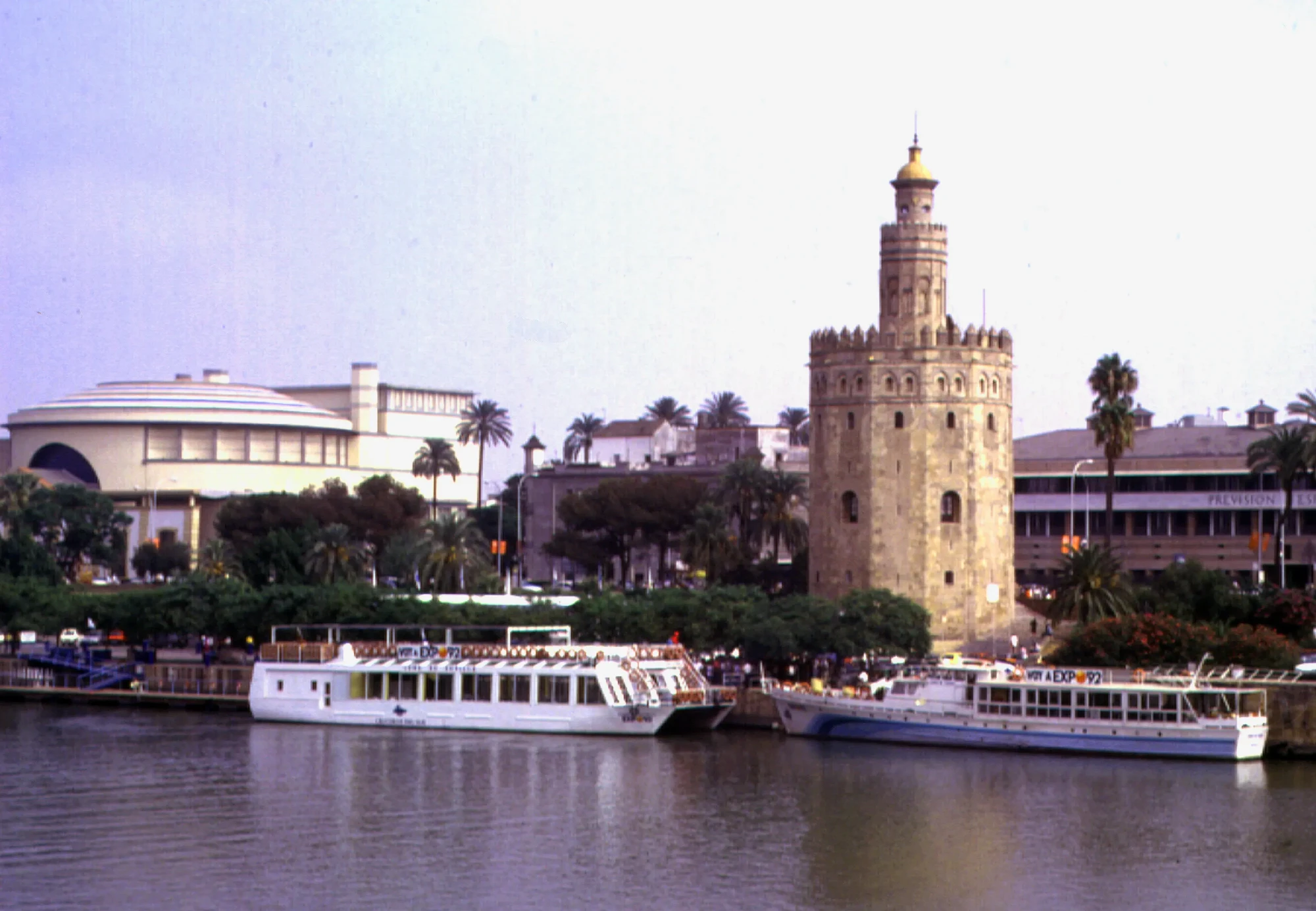
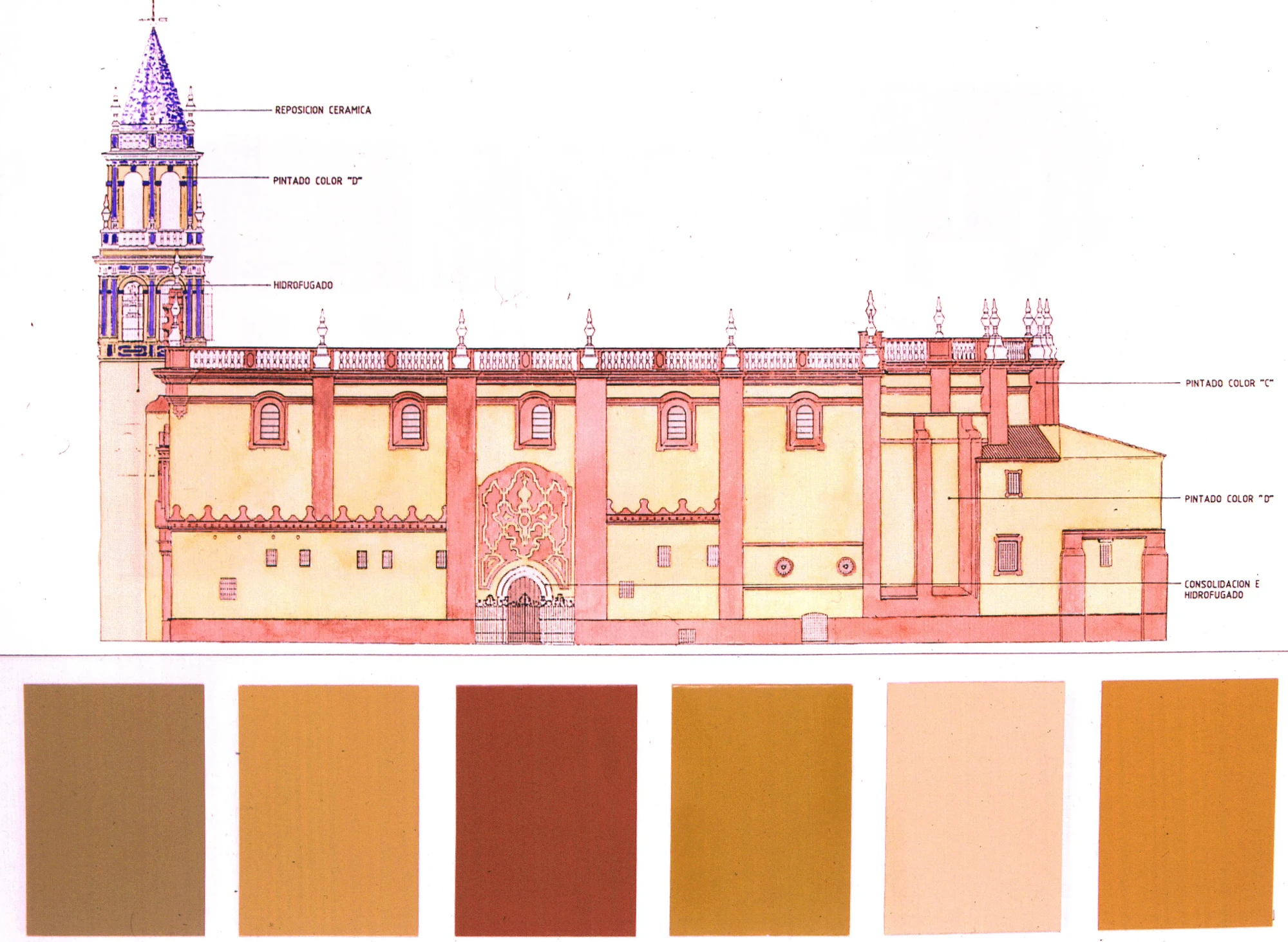
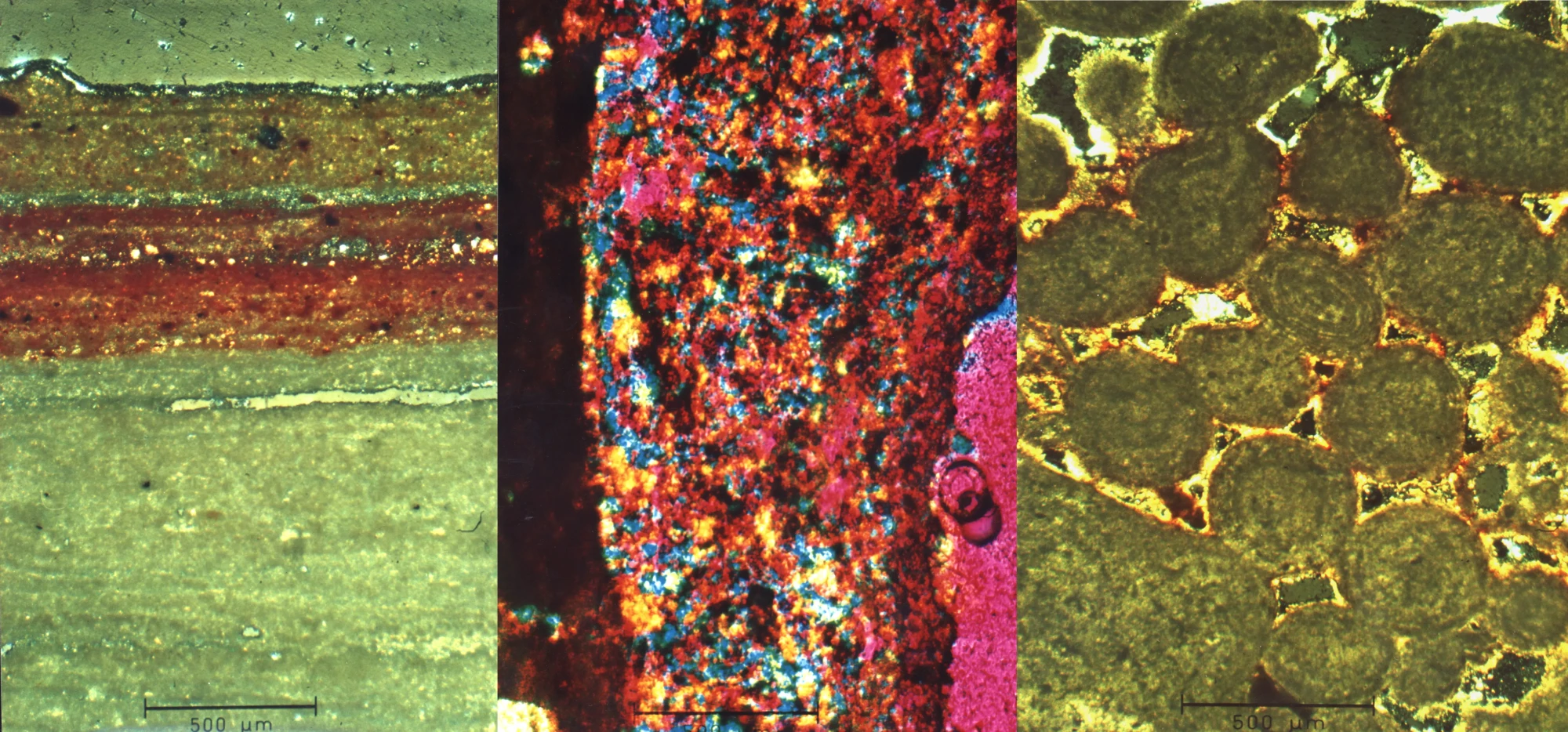
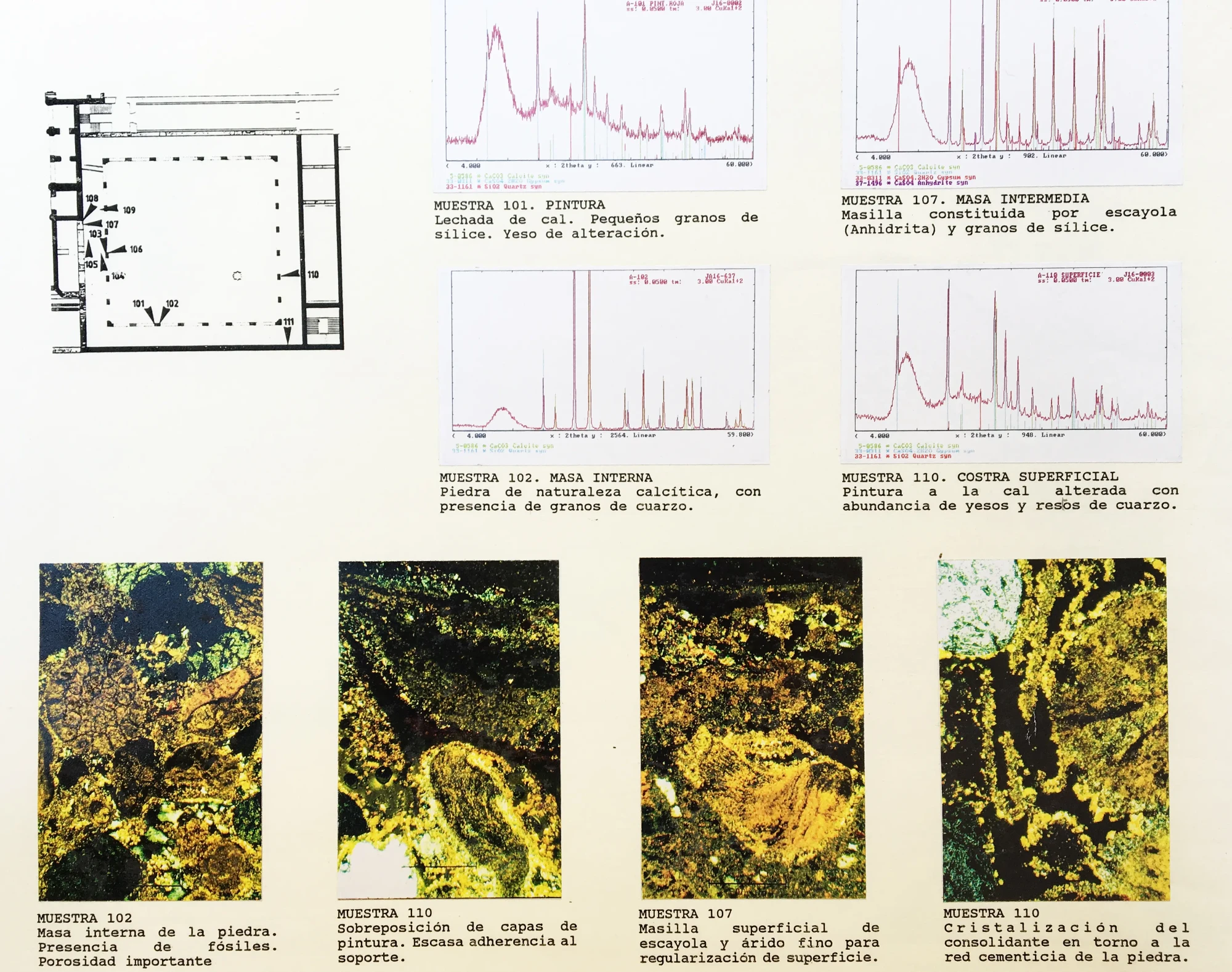
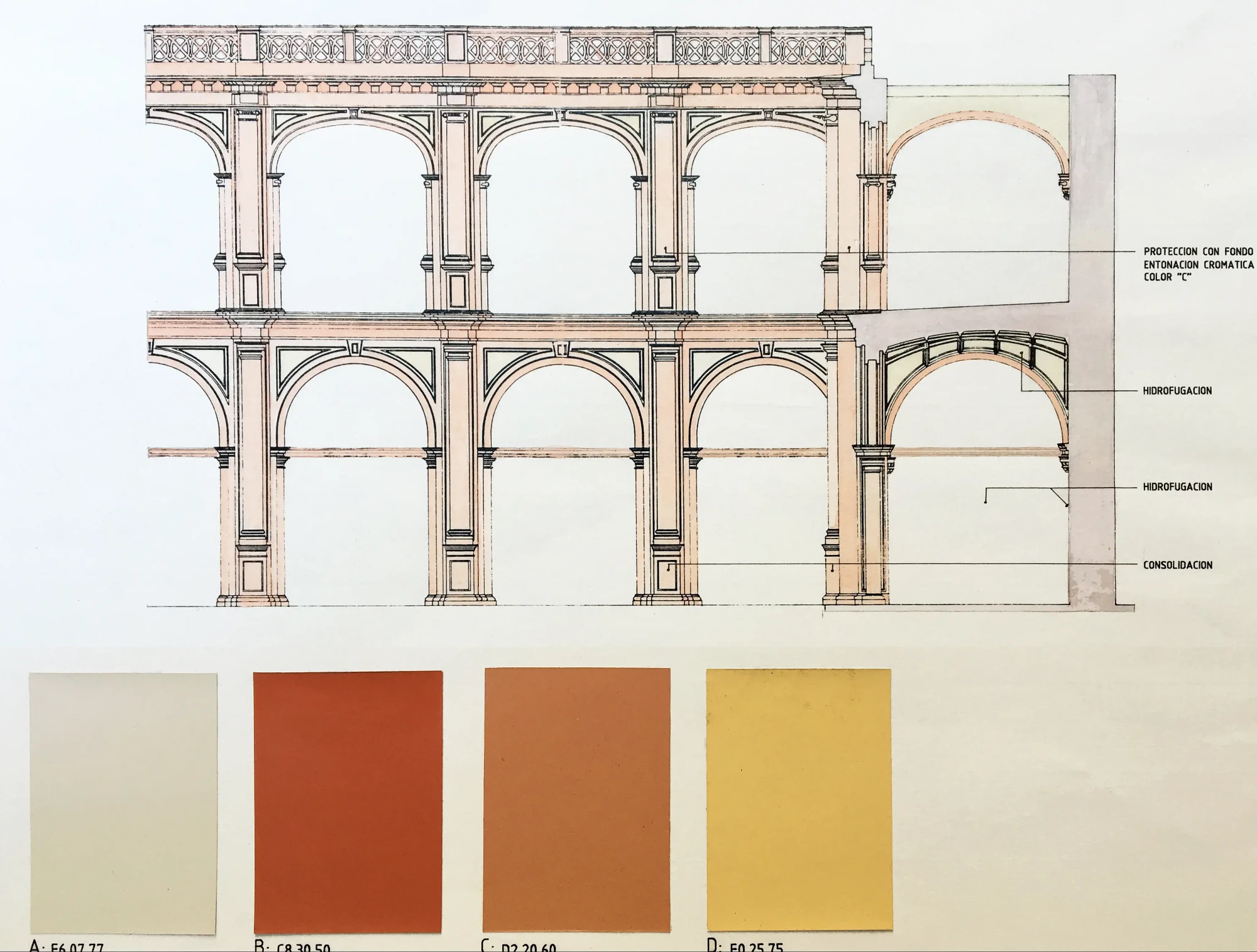
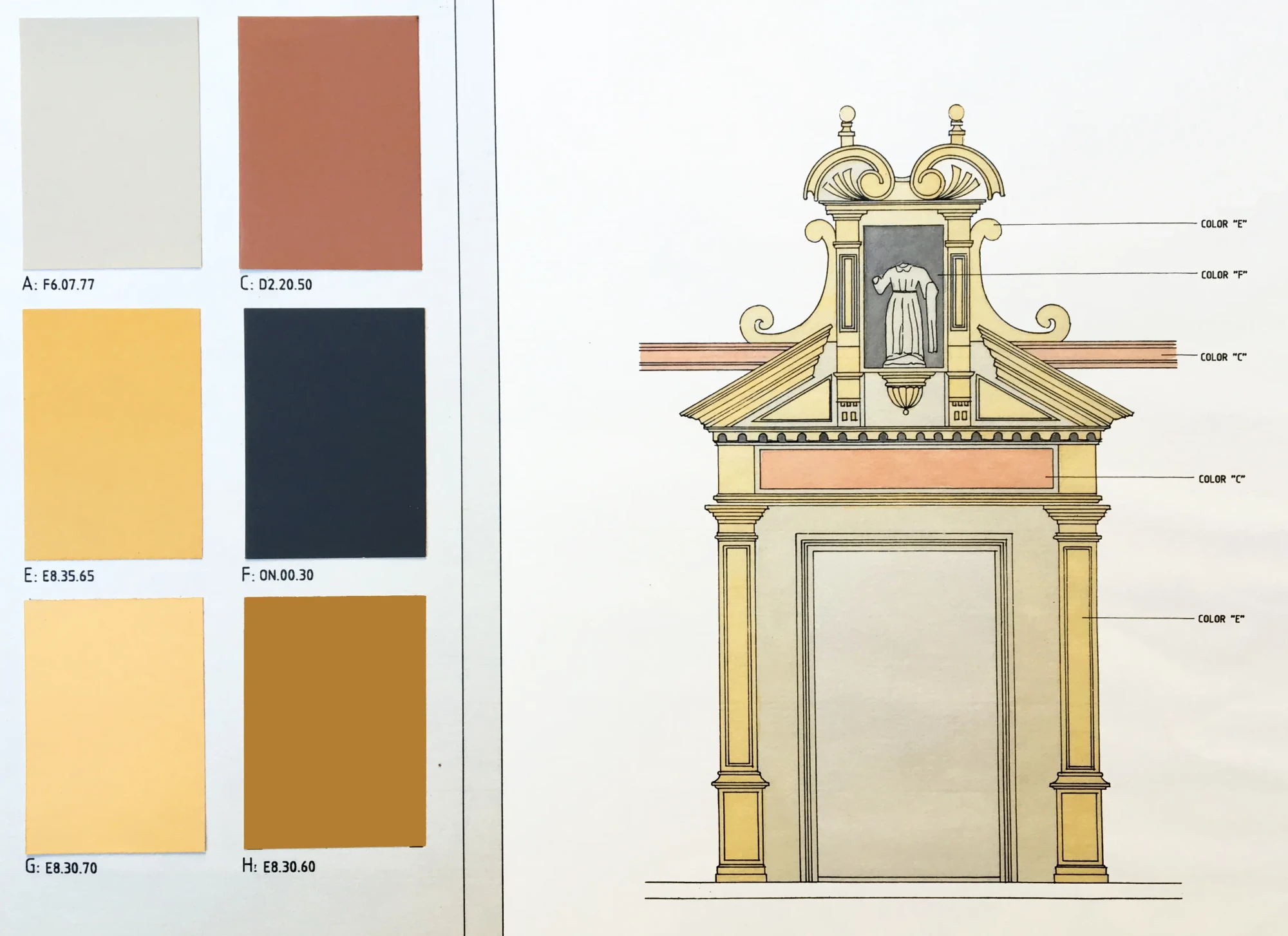
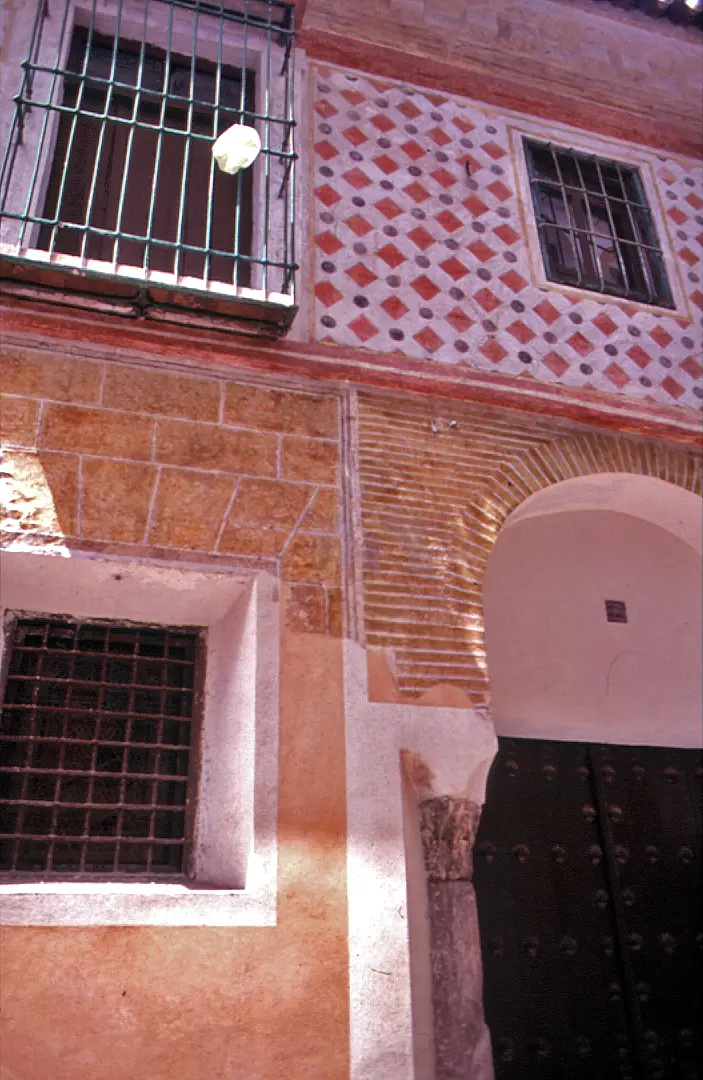
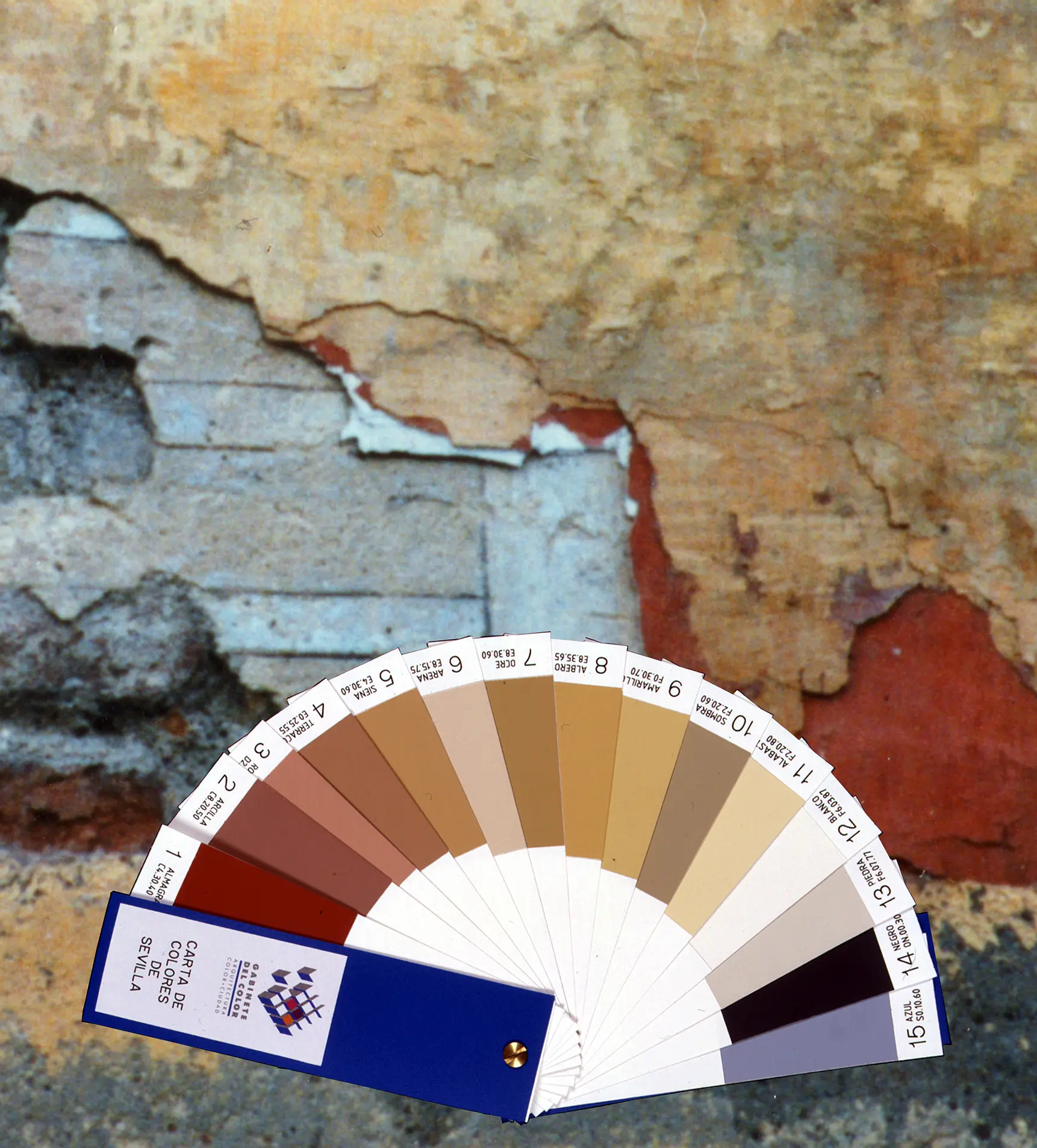
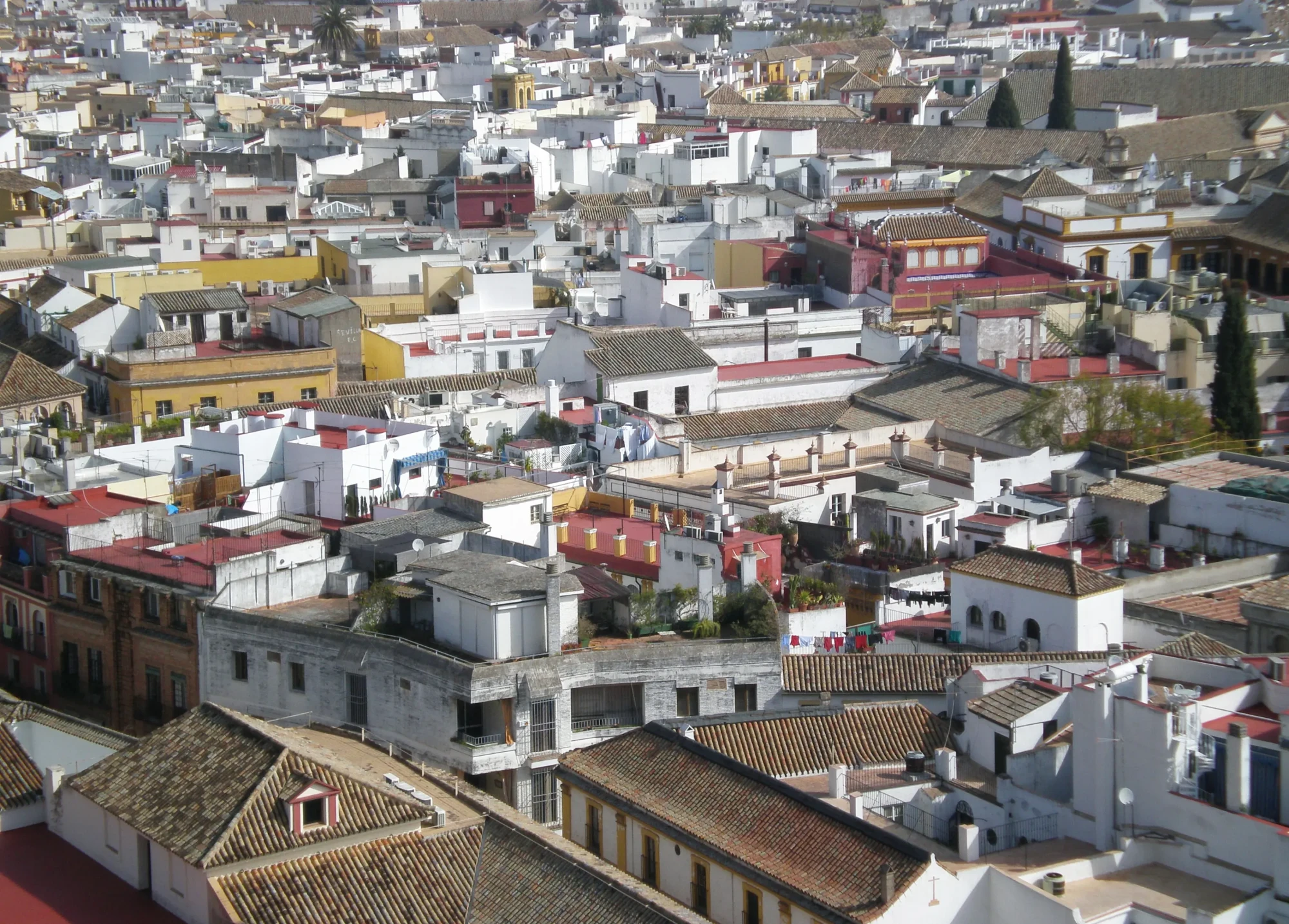
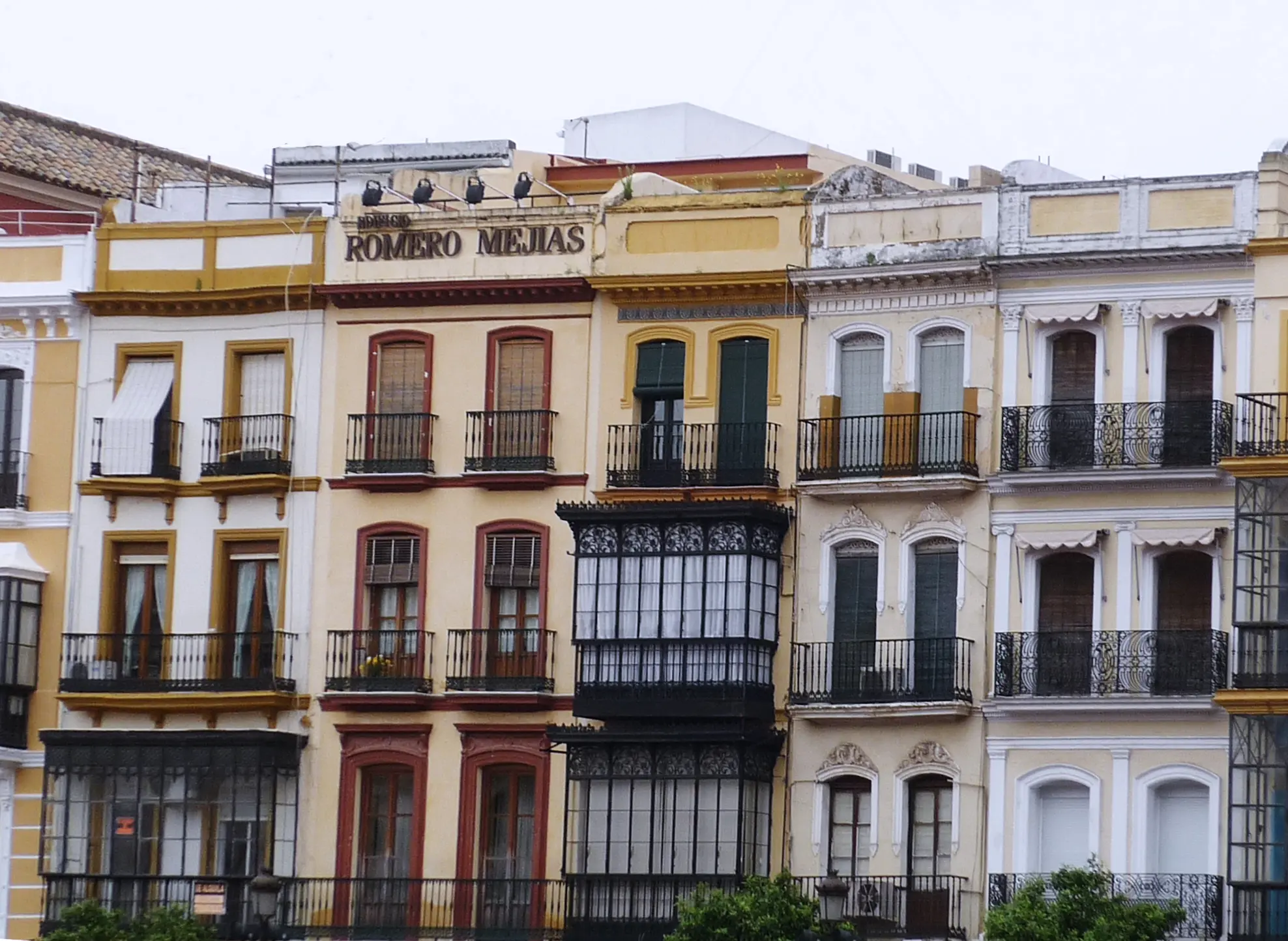
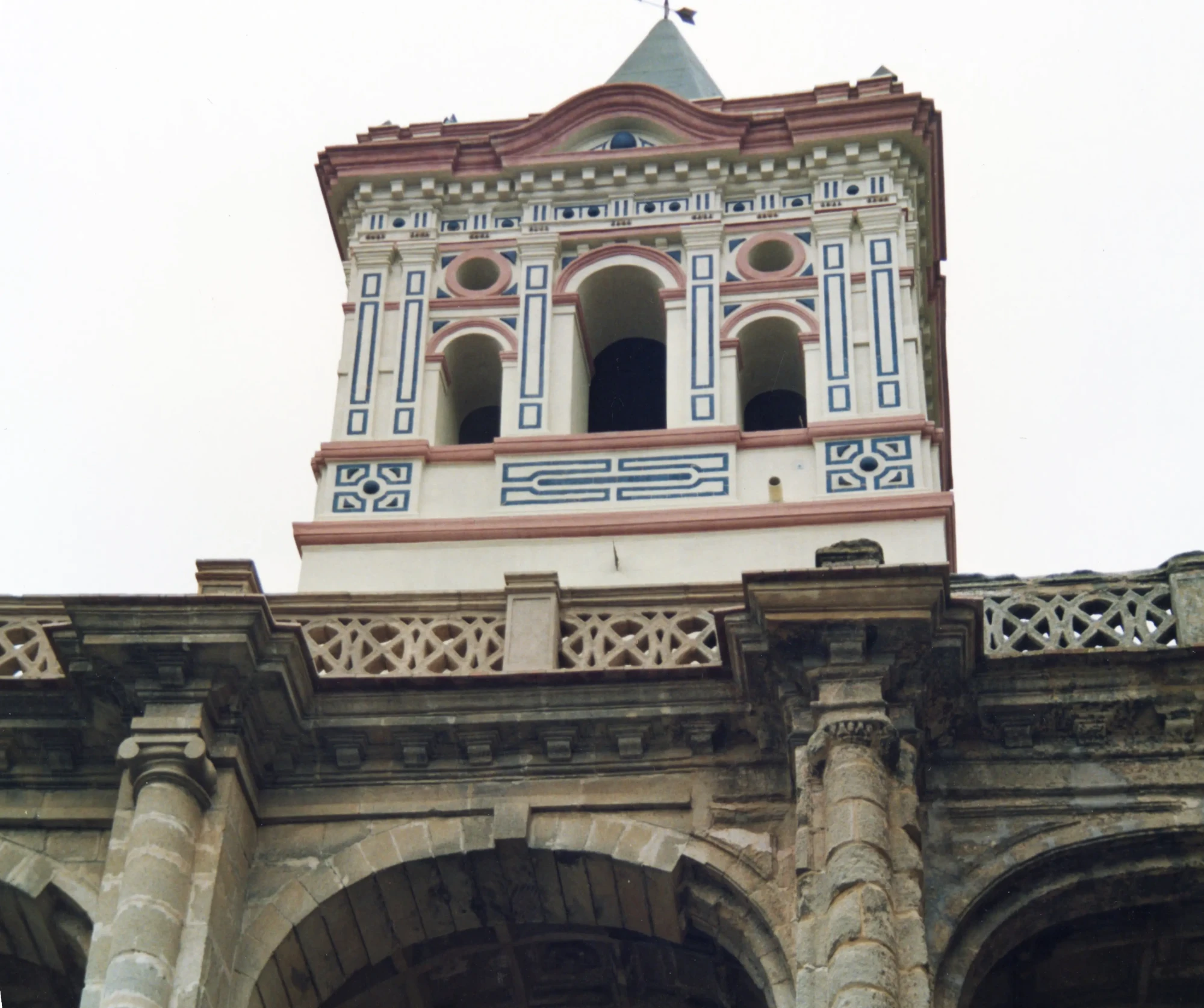
Following the conclusion of Expo ’92, the Gerencia Municipal de Urbanismo (Municipal Planning Board) of Seville sought to establish a scientifically validated color master plan. To achieve this, our team was commissioned in 1994 to draft the “Chromatic Study of Sevillian Architecture.” For this project, we tailored our survey methodology to align with specific municipal priorities. A series of landmark buildings were selected for in-depth analysis, spanning various neighborhoods (from the downtown center to Triana), diverse typologies (churches, monasteries, palatial estates, and residential housing), architectural styles (from the Renaissance to the Baroque), and different protection levels (national and local heritage listings). Comprehensive assessments were conducted on these structures, encompassing historical, architectural, and stratigraphic analyses of their wall coatings, petrographic evaluations of their mortars, and chromatic testing of their finishes. Additionally, structural pathologies were identified and tailored restoration processes were proposed.
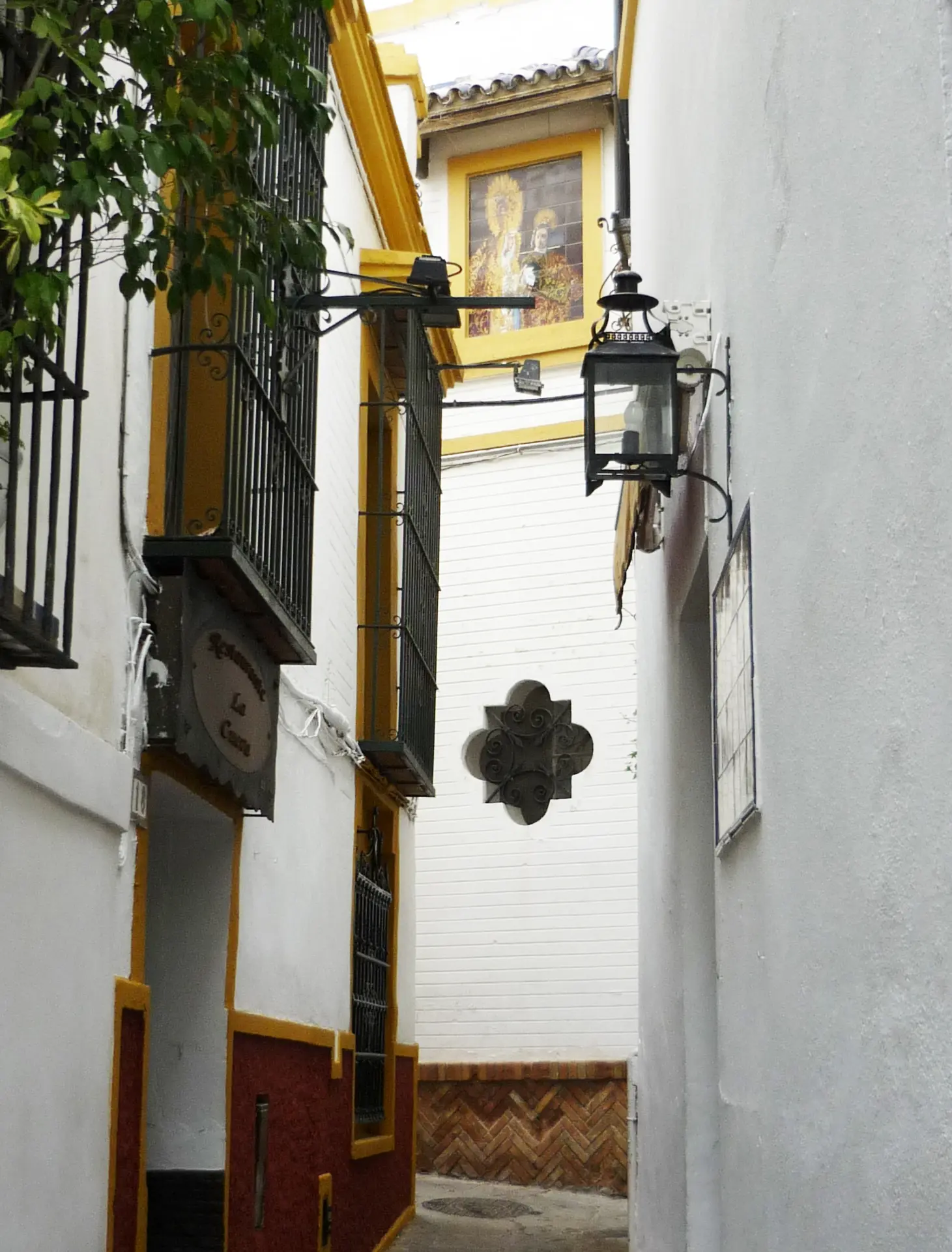
By utilizing this selective and critical sampling approach, we were able to unequivocally define the historic color palette—comprising almagra (deep red ochre), natural ochres, albero (the signature golden-yellow earth tone), siennas, and raw umbers—extensively used by the historical alarifes (master builders) who shaped Seville’s rich architectural heritage.